
Food as Gifts
Food has long carried meaning beyond nourishment.
Across cultures, it becomes a way to offer time, care, and presence—often shaped by place, season, and tradition.
When food is given, it reflects thought rather than excess.
What takes time to grow, prepare, or preserve becomes a way of honoring someone else’s time.
Food, as a gift, is rarely about novelty.
It is about intention—chosen carefully, prepared deliberately, and shared with care.
Japan
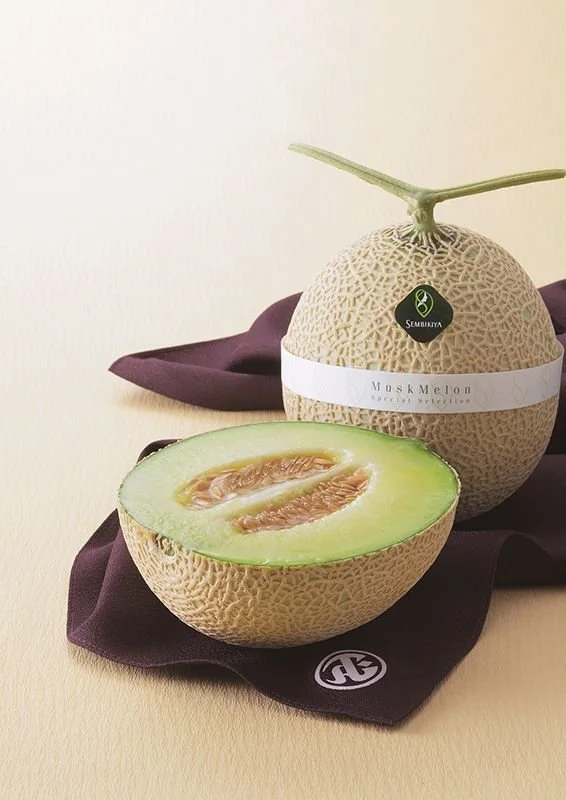
In Japan, fruit—especially melons—is cultivated and presented with extraordinary care.
Appearance, seasonality, and balance are considered as carefully as flavor.
The care behind the fruit is the gift itself.
To give it is to acknowledge someone’s importance through attention and precision.
Photo Source: Nihonbashi Sembikiya via Nippon
2. Middle East
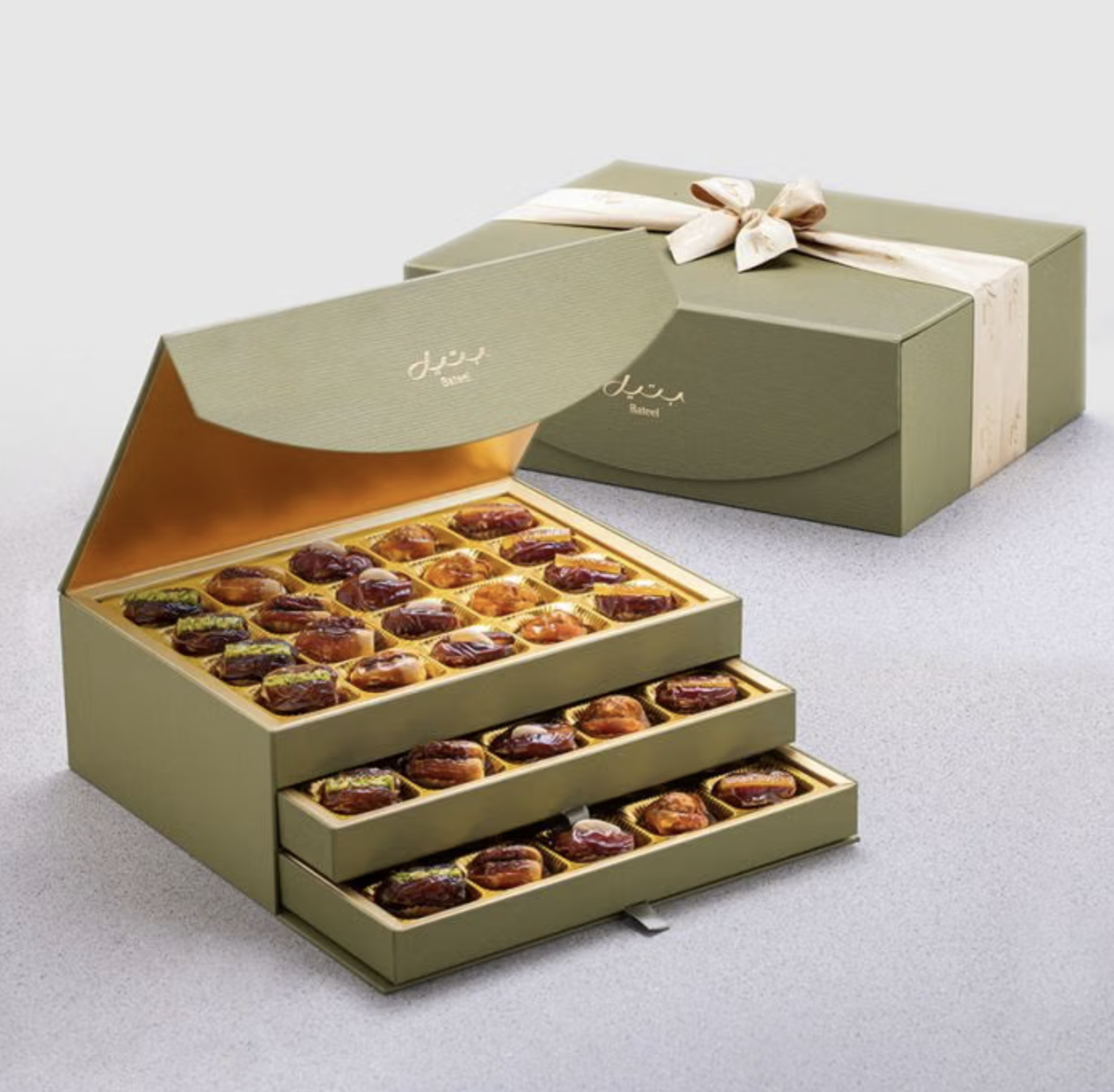
Across many Middle Eastern cultures, hospitality begins immediately.
Guests are welcomed with dates, sweets, and tea—often before conversation begins.
The gesture is simple and direct.
To be welcomed is to be fed, and sweetness signals generosity, warmth, and respect.
Photo Source: Bateel
3. Philippines
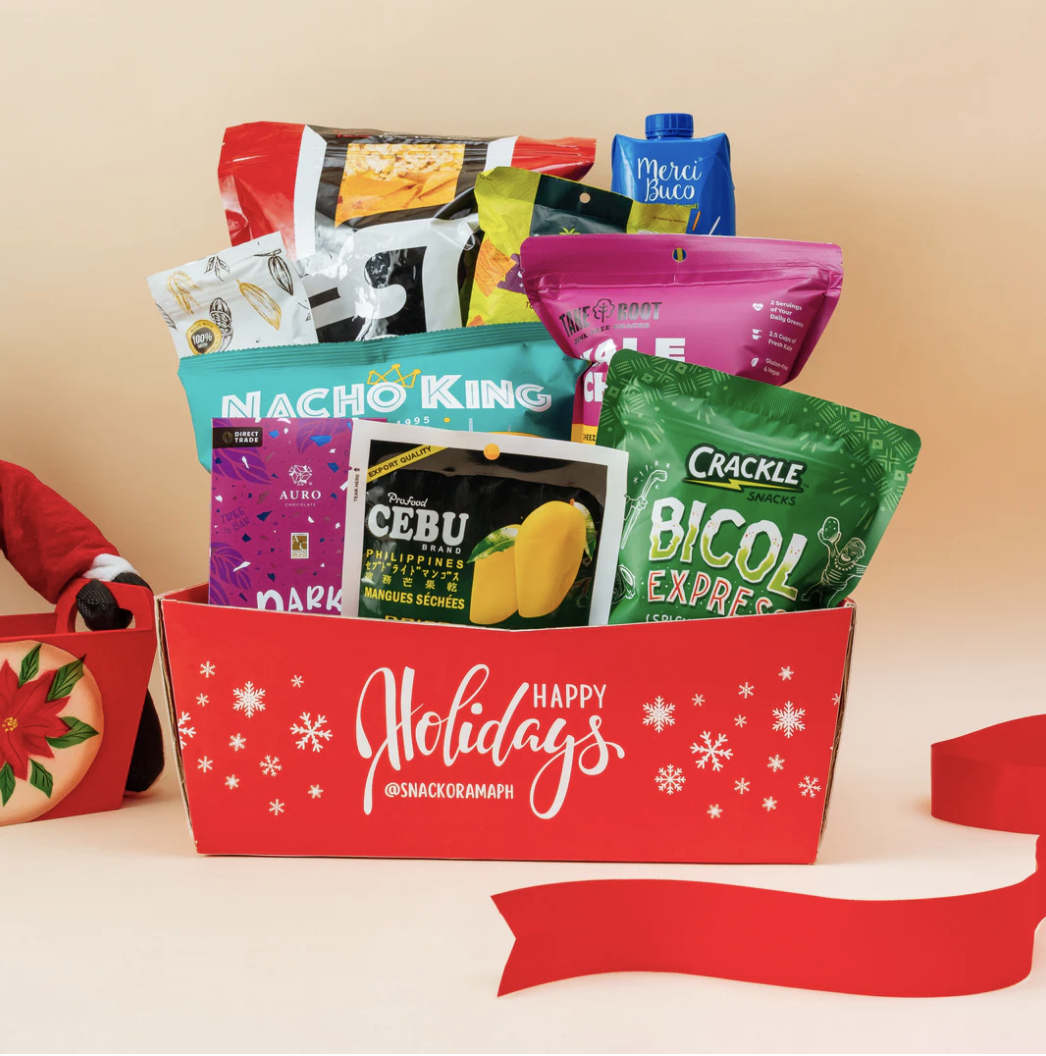
Pasalubong refers to bringing something back for others after time away.
Food is one of its most common forms—snacks, sweets, or regional specialties meant to be shared.
The gift is not the item itself, but the act of remembering.
It says: you were thought of, even while I was elsewhere.
Photo Source: Snackorama
4. France
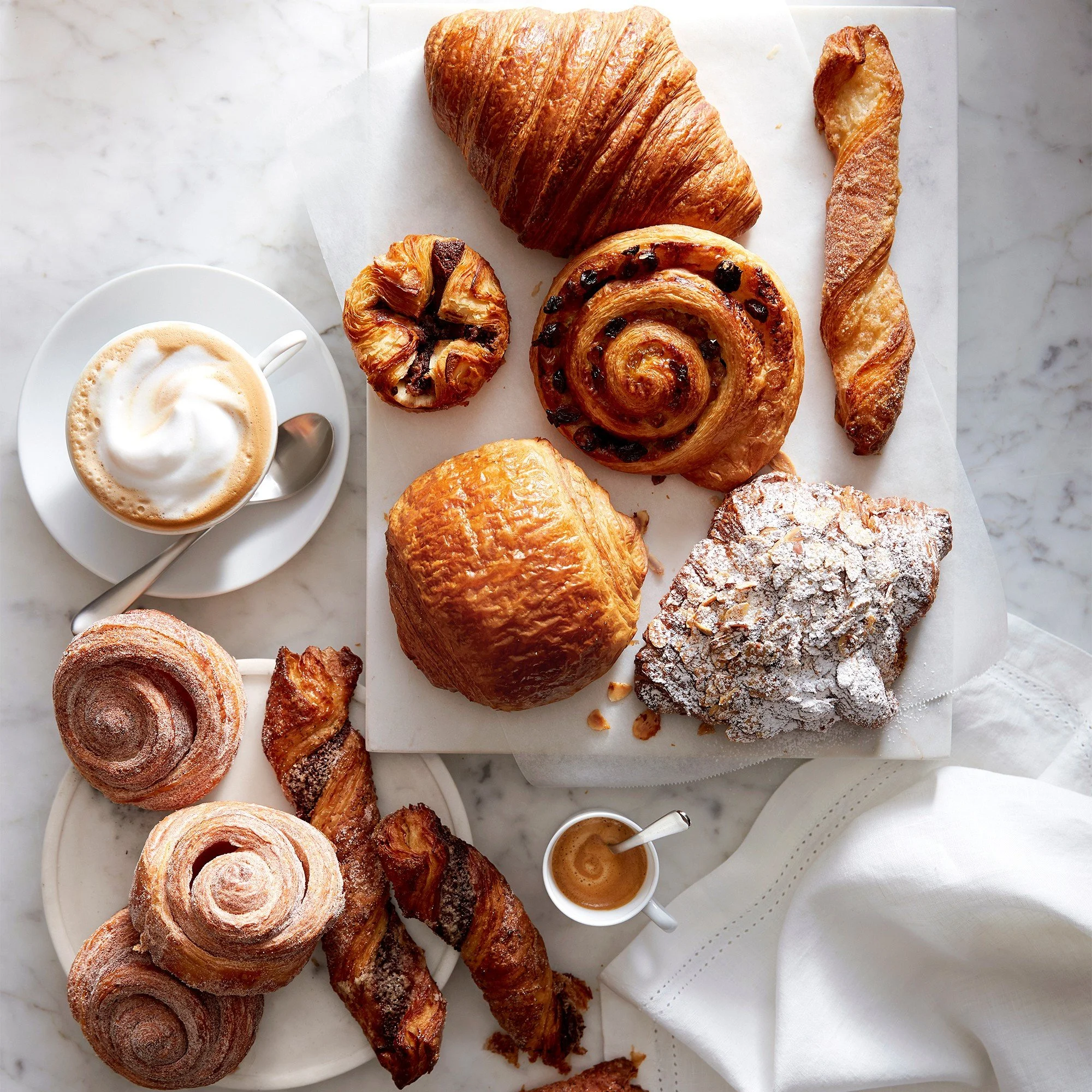
In France, food gifts often center on craftsmanship.
Pastries, chocolates, and baked goods reflect technique refined over time.
To give them is to share something carefully made.
Quality matters not as luxury, but as respect for the person receiving it.
Photo Source: Assorted French pastries
5. Korea
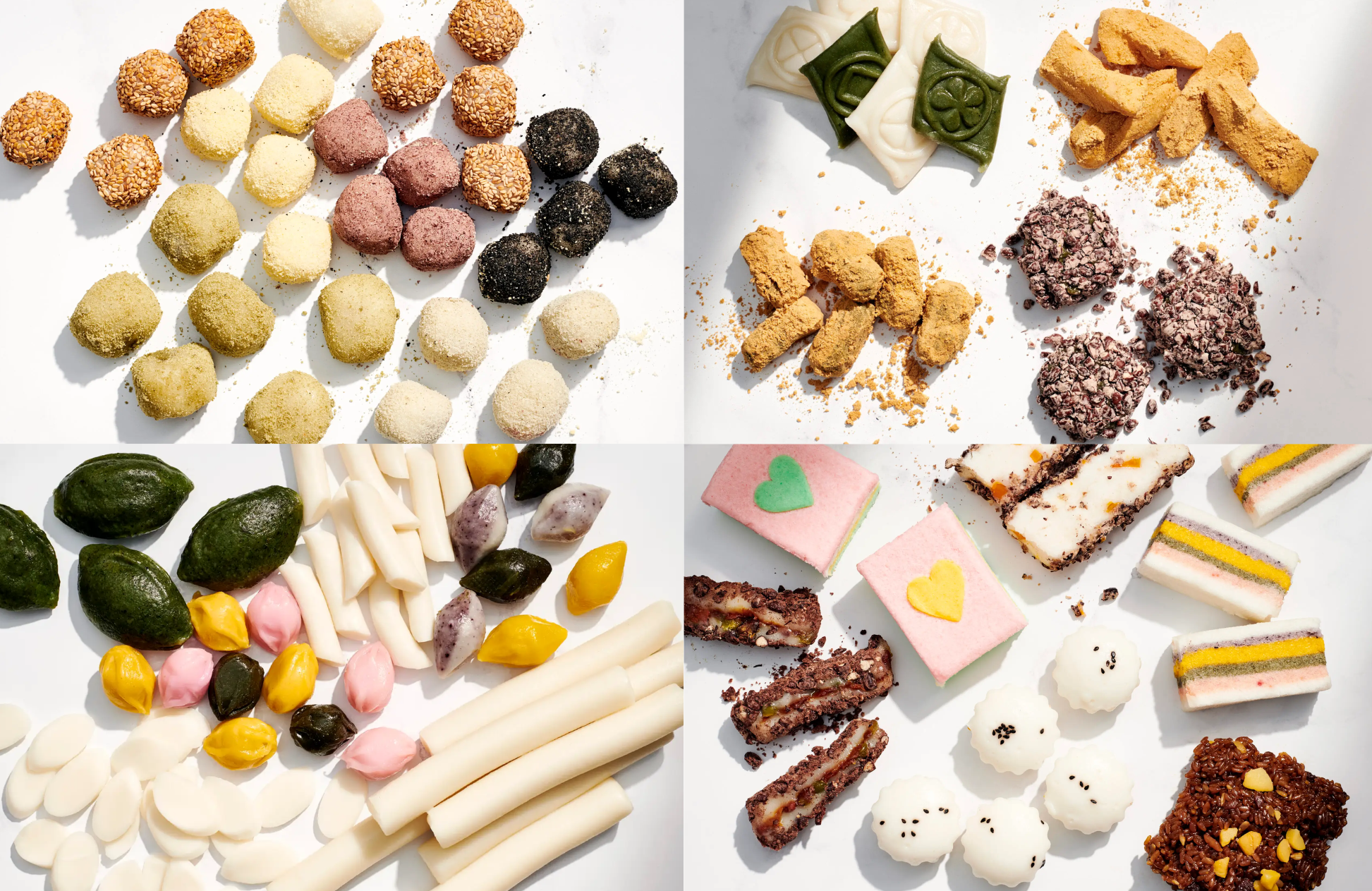
Rice cakes (tteok) appear at nearly every important moment in Korean life—births, celebrations, and transitions.
They are prepared slowly, shaped carefully, and shared widely.
The gift is not indulgence, but intention—something made to mark time, memory, and togetherness.
Photo Source: Assorted Korean rice cakes
6. Italy
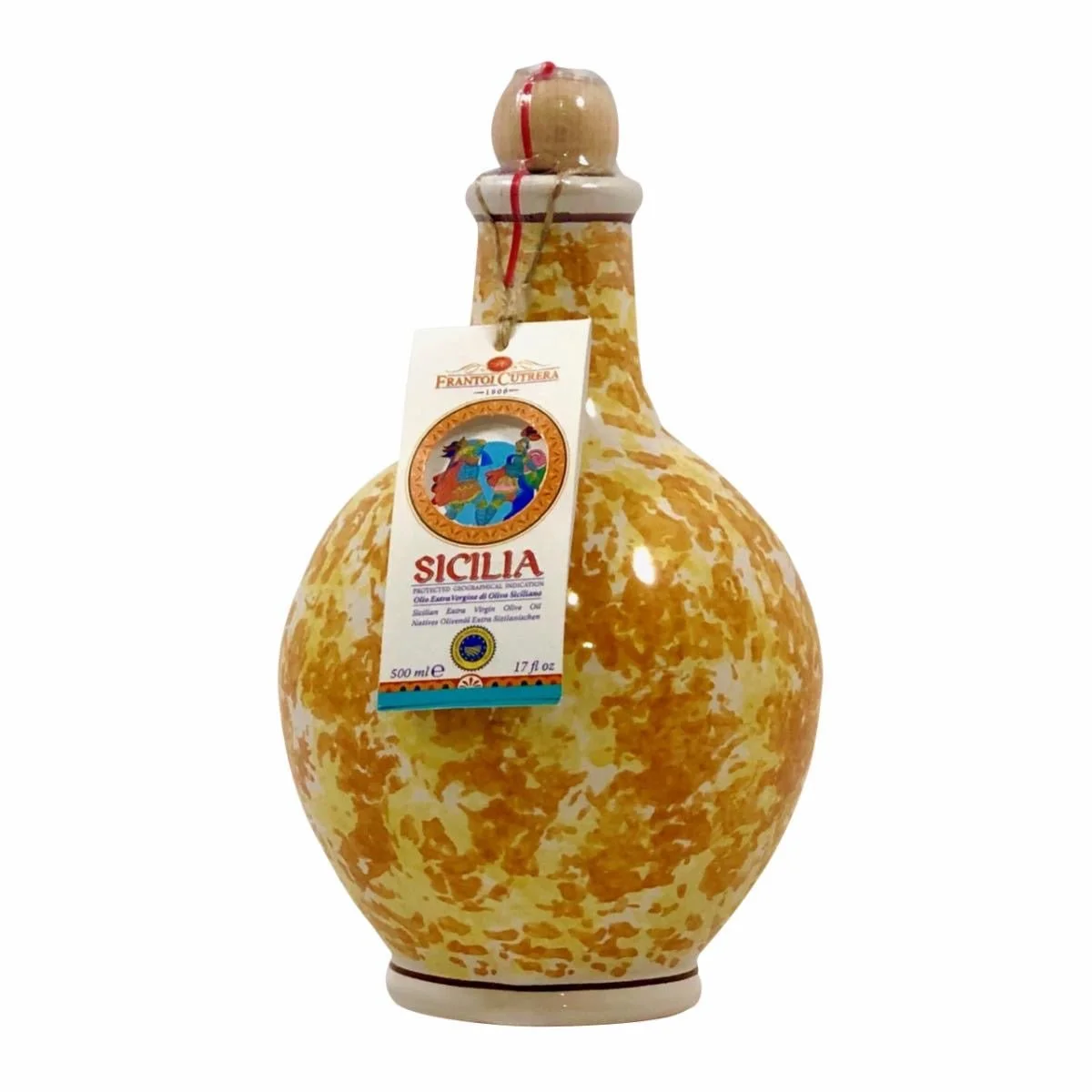
In Italy, food gifts often reflect land and season.
Olive oil, wine, and preserved foods carry the character of the region they come from.
To gift them is to share a place.
The value lies in origin, tradition, and the hands that made them.
Photo Source: Sicilian olive oil vessel
7. China
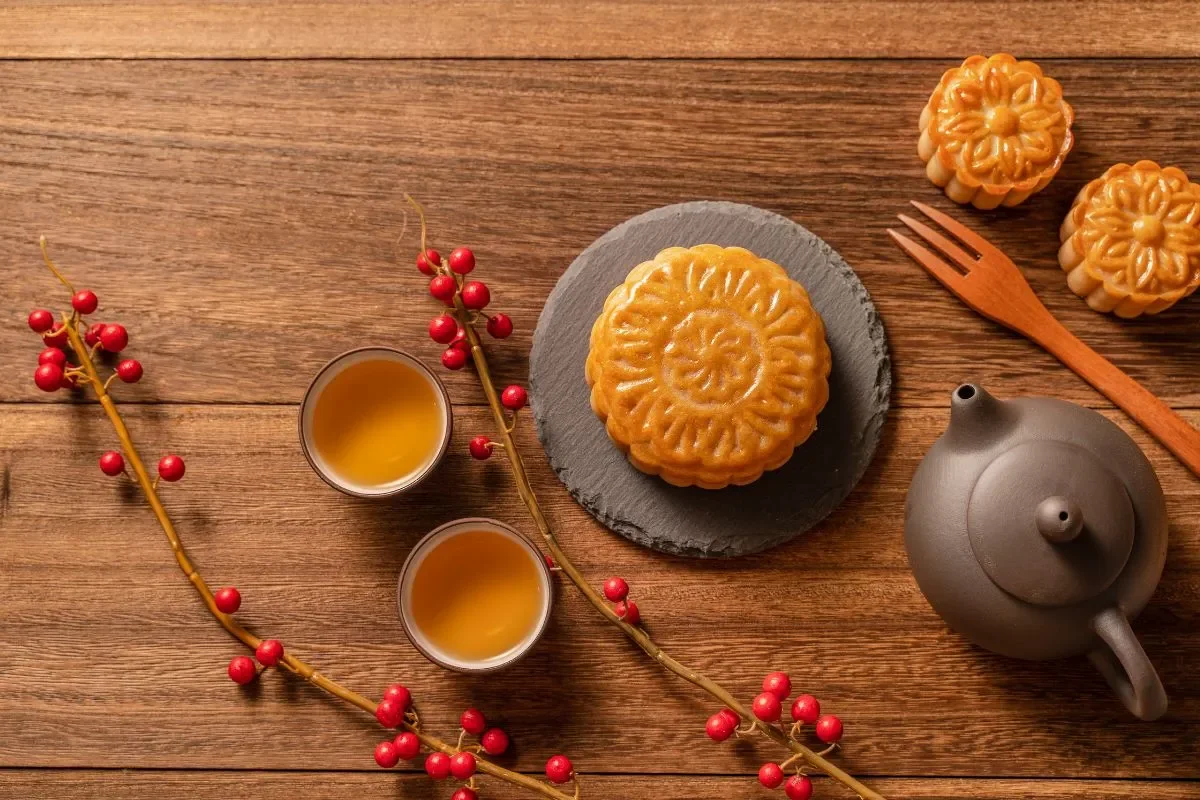
Food gifts in China are closely tied to symbolism.
Mooncakes, tea, and fruit are exchanged during festivals and reunions.
They represent completeness, harmony, and shared time.
The gift reflects continuity—of family, tradition, and connection.
Photo Source: Mooncakes and tea setting
Across cultures, food gifts tend to share something in common.
They make time visible, place tangible, and care unmistakable.
The value is not in excess, but in intention.
What is given carries meaning because someone took the time to choose it.
