
From Seaweed to Sculpture

Dress Image Source: Keel Labs
There are materials that shout their arrival, and then there are materials that simply appear—quiet, confident, and strangely inevitable. Seaweed belongs to the second group. It has been sitting in the ocean minding its own business for a few hundred million years, growing without irrigation, thriving where nothing else wants to grow, and generally behaving like the most low-maintenance crop imaginable. Only recently did we look at it and ask the obvious question: Could this become cloth?
Fashion has spent decades wrestling with its own appetites—water, land, petroleum, speed. And whenever the conversation feels stuck, someone turns to the ocean. Seaweed is generous. It doesn’t need pesticides, fertilizers, or prime farmland. It grows in the leftovers of the world. In some places, removing it actually helps the ecosystem rebalance. So yes, the fantasy writes itself: the ocean as our next textile mill.
But fantasies don’t become fabrics. Engineers do. And that’s where the story of seaweed fibers starts to feel interesting.
Kelsun, a new seaweed-derived fiber developed by Keel Labs, is one of the most grounded attempts yet. It isn’t selling magic. No “skin vitamins.” No mystical health claims. Just a practical cellulose fiber made through a wet-spinning process similar to lyocell, designed to biodegrade without leaving behind a trail of guilt or microplastics. It’s the kind of innovation that doesn’t need fireworks—it just needs to work.
Designers are paying attention. Stella McCartney sent a Kelsun knit down the runway, letting it drape and move like a familiar friend. & Other Stories built a crochet set from it—small loops echoing tide pools and anemone arms. Even accessory designers are experimenting, tugging at the boundary between engineering and ornament. What makes this compelling isn’t marketing. It’s that the material behaves like something we already understand, but with a lighter footprint.
Still, honesty first: seaweed isn’t going to fix fashion overnight. It won’t replace polyester next season or rescue us from the tangled mess of global supply chains. What it can do is shift the baseline. Seaweed fibers reduce dependence on freshwater, farmland, and petroleum. They exist in a regenerative ecosystem instead of an extractive one. And unlike earlier algae fibers that promised miracles, this is—refreshingly—just a better cellulose option with room to grow.
That’s the quiet truth of sustainability. It doesn’t have to feel holy or heroic. It just has to be measurable, repeatable, and respectful of the environments that make it possible. Kelsun’s promise lives in that direction: toward materials that return to the earth without argument, that don’t demand more than the planet can give, that understand enough is sometimes enough.
When you zoom out, seaweed textiles feel like an early chapter in a much longer story—one where innovation listens instead of conquering. Where design respects natural systems instead of wrestling with them. And where the future material library isn’t built from scarcity, but from abundance that grows back every single day.
Below, we’ve gathered a small visual study of seaweed’s new life in fashion. A quiet look at how ocean matter is already reshaping the silhouettes we wear.


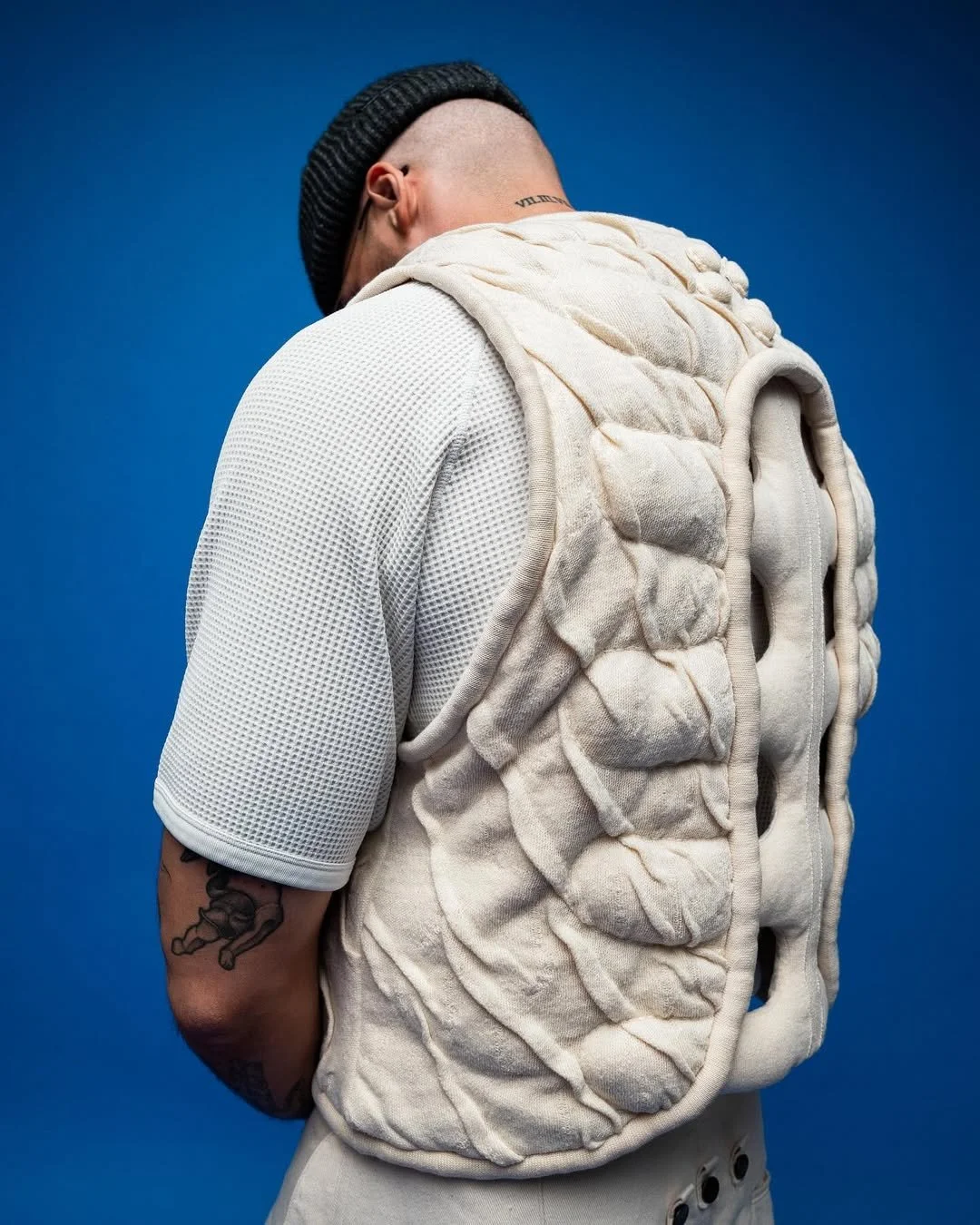









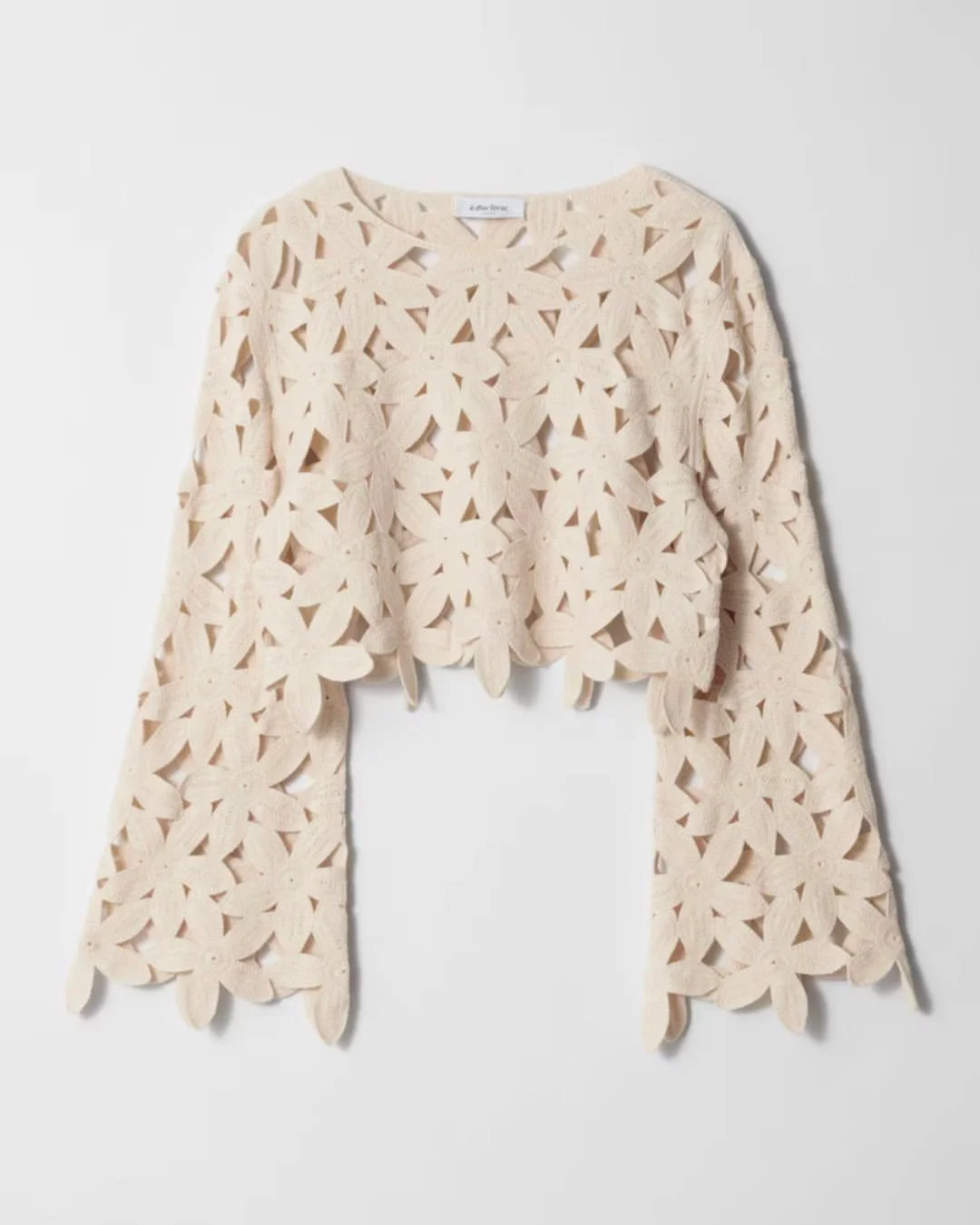

Full credits and sources follow below. Thanks for wandering with us.
Video Source: Going Green Media & Ease at Keel Labs.
Images: Courtesy of Keel Labs , Mr. Bailey, Stella McCartney, & Other Stories.
